
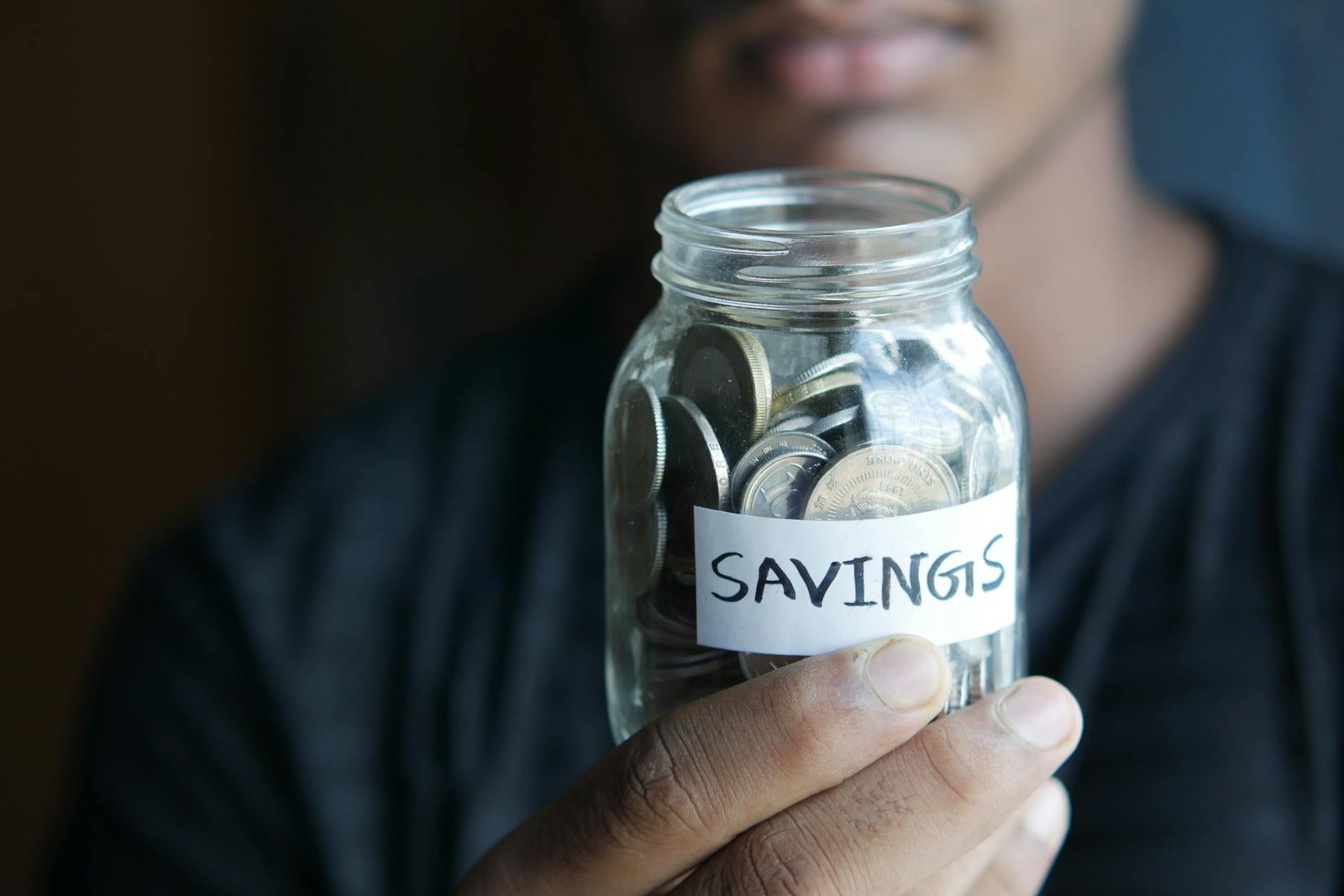
If you’re in your 20s, 30s, or early 40s, retirement can feel like a distant concept—something future‑you will figure out once life slows down. But here’s the truth: the habits you build right now will shape your financial freedom more than any single investment decision you make later. Retirement isn’t an age; it’s a math equation. And the earlier you start, the easier that equation becomes.
A strong retirement portfolio isn’t about being wealthy today. It’s about being consistent, intentional, and strategic with the money you do have. There’s even a psychology of saving worth understanding.
Smart Saving Habits for a Strong Retirement Portfolio
(For Your 20s, 30s, and Early 40s)
If you’re in your 20s, 30s, or early 40s, retirement can feel like a distant concept—something future‑you will figure out later. But here’s the truth: the habits you build right now will shape your financial freedom decades from today. And the good news? You don’t need a six‑figure salary or a finance degree to build a strong retirement portfolio. You just need consistency, clarity, and a strategy that grows with you.
The habits you build right now will shape your financial freedom more than any single investment decision you make later.
Start With the Habit, Not the Number
Most people think retirement planning (see our 2026 retirement planning guide) begins with a dollar amount. In reality, it begins with a habit. Whether you can save $50 a month or $500, the key is to automate it. When savings happen without effort, you remove the biggest barrier—your own decision fatigue.
Automation also helps you avoid lifestyle creep, the silent budget killer that grows as your income grows. If you increase your retirement contributions every time you get a raise—even by 1%—you’ll build wealth without feeling the pinch.
See Also: Do women have a different aversion to risk?
Understand the Power of Time
You’ve probably heard that “time in the market beats timing the market,” but it hits differently when you see the math. If you invest $200 a month starting at age 25 and earn a 7% average annual return, you’ll have around $500,000 by age 65. Start at 35, and the same habit gets you about $250,000. Start at 45, and it’s closer to $100,000.
The takeaway: your money works harder when you give it more time. Even small contributions in your early years can snowball into life‑changing results.
(I’m not a financial advisor—this is general education, not personalized investment advice.)
Max Out the Free Money First
If your employer offers a 401(k) match, that’s the closest thing to free money you’ll ever get. Always contribute enough to capture the full match before doing anything else. It’s an instant, guaranteed return.
After that, consider tax‑advantaged accounts like IRAs or Roth IRAs. Roth accounts are especially powerful for younger earners because you pay taxes now—when your income is typically lower—and enjoy tax‑free withdrawals later.
Build a Portfolio That Matches Your Age
Younger investors can generally take on more risk because they have decades to recover from market dips. That’s why many retirement portfolios for people in their 20s and 30s lean heavily toward stocks or stock‑based index funds. As you move into your 40s, you can gradually shift toward a more balanced mix.
You don’t need to pick individual stocks. Broad, diversified funds—like total market or S&P 500 index funds—are simple, low‑maintenance building blocks for long‑term growth.
Increase Your Savings Rate Over Time
Your 20s are about building the habit. Your 30s are about increasing the habit. Your 40s are about optimizing the habit.
A practical rule: aim to raise your retirement contribution by 1% each year. It’s small enough that you won’t feel it, but big enough to transform your future.
Avoid the Biggest Wealth Killers
Two things derail retirement savings more than anything else:
1. High‑interest debt Credit cards and personal loans can wipe out investment gains. Prioritize paying these down while still contributing something—anything—to retirement.
2. Emotional investing Market dips are normal. Selling in a panic is not. The best investors aren’t the smartest—they’re the calmest.
Your Future Self Will Thank You
Retirement isn’t about an age—it’s about freedom. Freedom to work because you want to, not because you have to. Freedom to travel, build, create, or simply rest.
And that freedom starts with the habits you build today.
You don’t need perfection. You just need progress. Start small, stay consistent, and let time do the heavy lifting.
Leave a Reply